
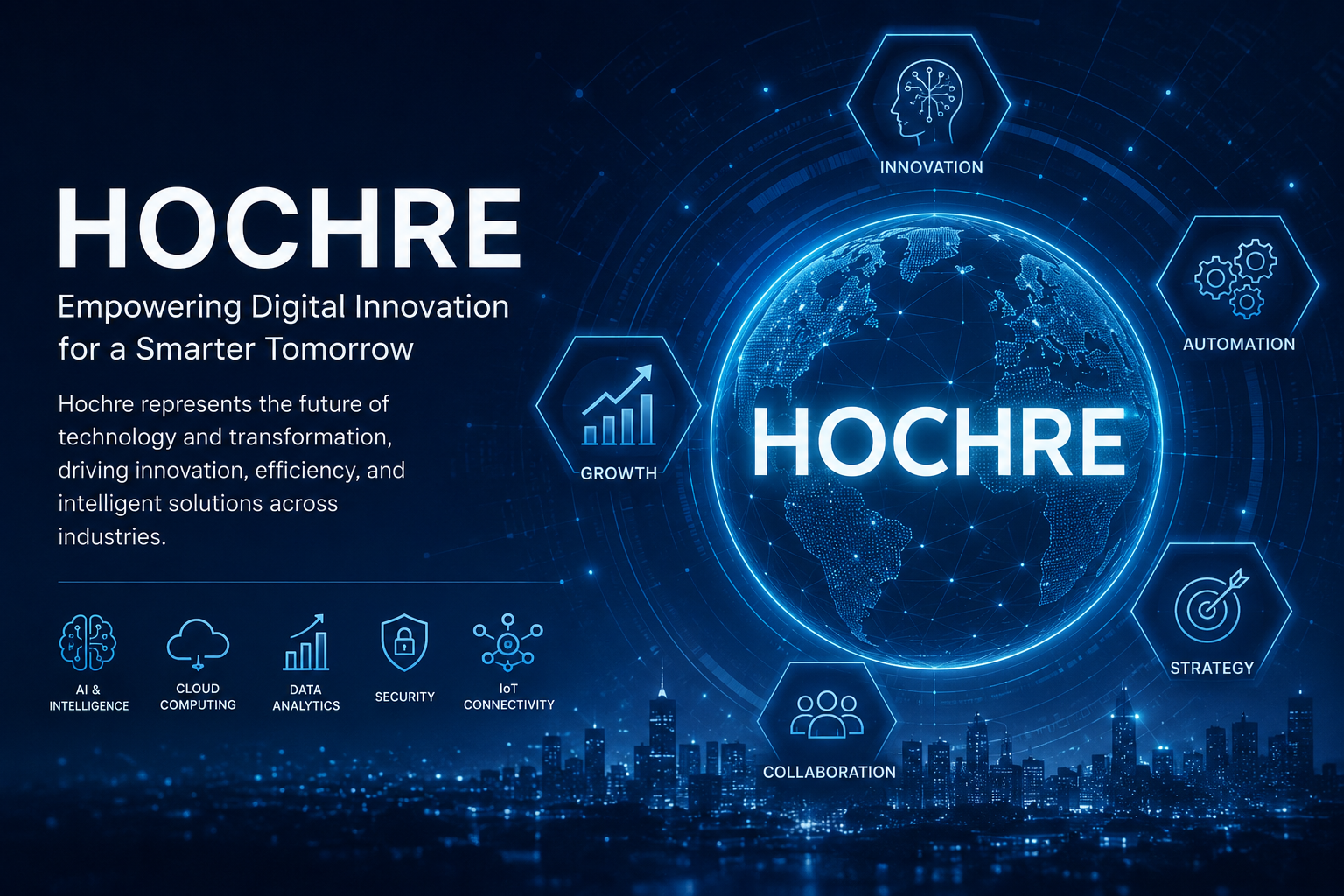
Hochre is increasingly becoming a topic of interest in discussions related to digital transformation, technological advancement, and innovative business solutions. As industries continue to evolve in response to rapid technological changes, concepts such as Hochre represent the modern drive toward efficiency, connectivity, and intelligent decision-making. Organizations across different sectors are seeking new frameworks and methodologies that can help them remain competitive in a constantly changing environment. Within this context, Hochre serves as a symbol of progress, adaptability, and innovation.
The digital economy is characterized by continuous disruption, and businesses must embrace new ideas to remain relevant. Hochre reflects this necessity by highlighting approaches that encourage modernization while supporting sustainable growth. Whether applied in enterprise systems, digital platforms, data management, or customer engagement strategies, the concept offers valuable insights into how organizations can prepare for future challenges and opportunities.
The Historical Development of Hochre
The emergence of Hochre can be associated with broader technological trends that have shaped modern society. During the early stages of digital adoption, organizations primarily focused on automating routine processes. As technology matured, attention shifted toward creating integrated ecosystems capable of delivering real-time insights and enhanced user experiences.
Over time, the principles associated with Hochre evolved alongside innovations such as cloud computing, artificial intelligence, big data analytics, and advanced communication networks. These technologies collectively created an environment where digital transformation became not only possible but necessary. The increasing availability of data and computational power enabled organizations to develop smarter systems that could respond dynamically to changing market conditions.
The progression of technological capabilities has significantly influenced the relevance of Hochre. Businesses now view innovation as an ongoing process rather than a one-time initiative, making continuous adaptation a core component of long-term success.
Core Principles Behind Hochre
Several foundational principles contribute to the growing importance of Hochre in modern technological environments. These principles help organizations establish a framework for innovation while maintaining operational stability and strategic focus.
| Principle | Description | Organizational Benefit |
|---|---|---|
| Innovation | Encourages the adoption of new technologies and ideas | Enhanced competitiveness |
| Integration | Connects systems and processes across departments | Improved efficiency |
| Scalability | Supports growth without significant disruptions | Sustainable expansion |
| Intelligence | Utilizes data-driven insights for decision-making | Better strategic planning |
| Adaptability | Responds effectively to market changes | Increased resilience |
These principles collectively form a foundation that enables organizations to navigate complex technological landscapes while pursuing continuous improvement.
Hochre and Digital Transformation
Digital transformation remains one of the most significant priorities for organizations worldwide. The concept of Hochre aligns closely with this objective by emphasizing the integration of technology into every aspect of business operations. Rather than viewing technology as a separate function, organizations increasingly recognize its role as a central driver of innovation and growth.
The adoption of digital tools has transformed communication, customer service, product development, and operational management. Companies implementing transformation initiatives often focus on enhancing efficiency while creating better experiences for customers and stakeholders. Through these efforts, Hochre contributes to the development of interconnected systems that facilitate seamless information flow and informed decision-making.
As businesses continue to modernize their infrastructure, digital transformation initiatives supported by principles associated with Hochre are likely to become even more critical for achieving long-term success.
The Relationship Between Hochre and Emerging Technologies
Emerging technologies play a crucial role in shaping the future of industries worldwide. The relationship between Hochre and these technologies reflects a shared emphasis on innovation, efficiency, and value creation.
Artificial intelligence has transformed how organizations analyze information and automate complex tasks. Machine learning algorithms can identify patterns within large datasets, enabling businesses to make more accurate predictions and informed decisions. Cloud computing provides scalable infrastructure that supports rapid deployment of applications and services. The Internet of Things creates interconnected networks of devices capable of generating valuable operational insights.
The table below highlights several technologies commonly associated with modern innovation frameworks.
| Technology | Primary Function | Impact on Organizations |
| Artificial Intelligence | Data analysis and automation | Improved decision-making |
| Cloud Computing | Flexible infrastructure | Reduced operational costs |
| Internet of Things | Connected devices | Enhanced monitoring |
| Blockchain | Secure transactions | Greater transparency |
| Big Data Analytics | Data-driven insights | Strategic advantages |
The integration of these technologies creates opportunities for organizations to develop innovative solutions that align with the broader objectives represented by Hochre.
Business Applications of Hochre
Organizations across multiple industries are exploring practical applications of Hochre to improve performance and achieve strategic goals. Businesses frequently implement digital platforms that streamline operations, reduce inefficiencies, and enhance collaboration among teams.
In the manufacturing sector, advanced automation systems improve production efficiency while minimizing errors. Financial institutions utilize data analytics and artificial intelligence to enhance risk management and customer service. Healthcare providers implement digital tools that support patient care, diagnostics, and administrative processes. Retail organizations leverage technology to personalize customer experiences and optimize inventory management.
These examples demonstrate how the principles associated with Hochre can be adapted to address industry-specific challenges while promoting innovation and growth.
The Importance of Data in Hochre
Data has become one of the most valuable assets in the modern economy. Organizations generate and collect vast amounts of information through digital interactions, operational activities, and connected devices. The ability to analyze and interpret this information effectively is essential for achieving competitive advantages.
Hochre emphasizes the importance of transforming raw data into actionable insights. By utilizing advanced analytics tools, organizations can identify trends, predict outcomes, and make evidence-based decisions. Data-driven strategies enable businesses to improve customer experiences, optimize operations, and uncover new opportunities for growth.
As the volume of available information continues to increase, the effective management and utilization of data will remain a central component of successful innovation initiatives.
Hochre and Customer Experience Enhancement
Customer expectations have evolved significantly in recent years. Modern consumers expect personalized experiences, rapid responses, and seamless interactions across multiple channels. Organizations must therefore adopt strategies that prioritize customer satisfaction while maintaining operational efficiency.
The principles associated with Hochre support this objective by encouraging the use of technology to better understand customer needs and preferences. Advanced analytics, artificial intelligence, and automation tools enable organizations to deliver customized experiences that strengthen customer relationships and improve loyalty.
Companies that successfully integrate these technologies often gain competitive advantages through enhanced customer engagement and increased brand reputation.
Security Considerations in Hochre Implementation
The growing reliance on digital technologies has increased the importance of cybersecurity. Organizations must protect sensitive information while ensuring the integrity and availability of critical systems. Security considerations therefore play a vital role in any innovation strategy associated with Hochre.
Cybersecurity frameworks typically include risk assessments, access controls, encryption technologies, and continuous monitoring systems. These measures help organizations identify vulnerabilities and respond effectively to potential threats. The development of secure digital environments is essential for maintaining trust among customers, partners, and stakeholders.
As cyber threats continue to evolve, organizations must adopt proactive approaches that prioritize resilience and long-term protection.
The Role of Leadership in Hochre Adoption
Successful implementation of innovative strategies requires effective leadership. Organizational leaders play a critical role in establishing a culture that encourages experimentation, collaboration, and continuous improvement. Their vision and commitment influence how employees respond to technological change and organizational transformation.
Leaders who embrace innovation are more likely to support investments in technology, workforce development, and strategic initiatives. They recognize the importance of aligning technological advancements with broader business objectives while fostering an environment that encourages creativity and adaptability.
The relationship between leadership and Hochre highlights the importance of human decision-making in driving technological progress and organizational success.
Workforce Development and Hochre
Technological advancements continue to reshape workforce requirements across industries. Employees must acquire new skills and competencies to remain effective in increasingly digital environments. Workforce development therefore represents a critical aspect of successful innovation initiatives.
Organizations investing in training and education programs can better prepare employees for evolving responsibilities. Areas such as data analysis, cybersecurity, artificial intelligence, and digital collaboration have become particularly important. Continuous learning supports adaptability and helps organizations maintain competitiveness in rapidly changing markets.
The emphasis on workforce development aligns closely with the broader objectives of Hochre by promoting innovation through human capital investment.
Economic Impact of Hoch re
The influence of Hochre extends beyond individual organizations and contributes to broader economic development. Innovation-driven initiatives often create new business opportunities, generate employment, and stimulate investment in emerging technologies.
Governments and private-sector organizations increasingly recognize the importance of supporting innovation ecosystems that encourage entrepreneurship and technological advancement. These ecosystems facilitate collaboration among businesses, educational institutions, research organizations, and policymakers.
The resulting economic benefits can include increased productivity, improved competitiveness, and enhanced quality of life for communities worldwide.
Future Trends Shaping Hoch re
Several emerging trends are expected to influence the future development of Hochre. Artificial intelligence will likely become more sophisticated, enabling greater automation and predictive capabilities. Quantum computing may revolutionize computational performance, creating opportunities for solving complex problems previously considered impractical.
Sustainability initiatives are also expected to play a growing role in innovation strategies. Organizations increasingly seek technologies that reduce environmental impact while supporting operational efficiency. Advances in renewable energy, smart infrastructure, and resource optimization will contribute to this objective.
The following table highlights key future trends and their potential implications.
| Future Trend | Expected Development | Potential Impact |
| Artificial Intelligence | Increased automation | Higher productivity |
| Quantum Computing | Enhanced processing power | Advanced problem solving |
| Sustainable Technology | Resource optimization | Environmental benefits |
| Smart Infrastructure | Connected systems | Greater efficiency |
| Advanced Analytics | Improved forecasting | Better decision-making |
These developments illustrate the evolving landscape in which Hochre will continue to grow and influence technological progress.
Challenges Associated with Hoch re
Despite its numerous benefits, organizations may encounter challenges when implementing strategies related to Hochre. Resistance to change, limited resources, and technological complexity can create obstacles that hinder progress. Successful implementation therefore requires careful planning, effective communication, and ongoing evaluation.
Organizations must also address concerns related to data privacy, cybersecurity, and regulatory compliance. Balancing innovation with responsible governance remains a critical consideration for achieving sustainable success.
By proactively addressing these challenges, businesses can maximize the benefits of technological advancement while minimizing potential risks.
Conclusion
Hochre represents a modern approach to innovation, digital transformation, and strategic growth in an increasingly technology-driven world. Its principles emphasize integration, intelligence, adaptability, and continuous improvement, making it relevant across a wide range of industries and applications. As emerging technologies continue to reshape business environments, the importance of embracing innovative frameworks will only increase.
Organizations that successfully align their strategies with the concepts associated with Hochre can improve operational efficiency, enhance customer experiences, strengthen competitiveness, and prepare for future challenges. Through effective leadership, workforce development, data-driven decision-making, and a commitment to continuous innovation, businesses can unlock significant opportunities for growth and long-term success in the digital age.