
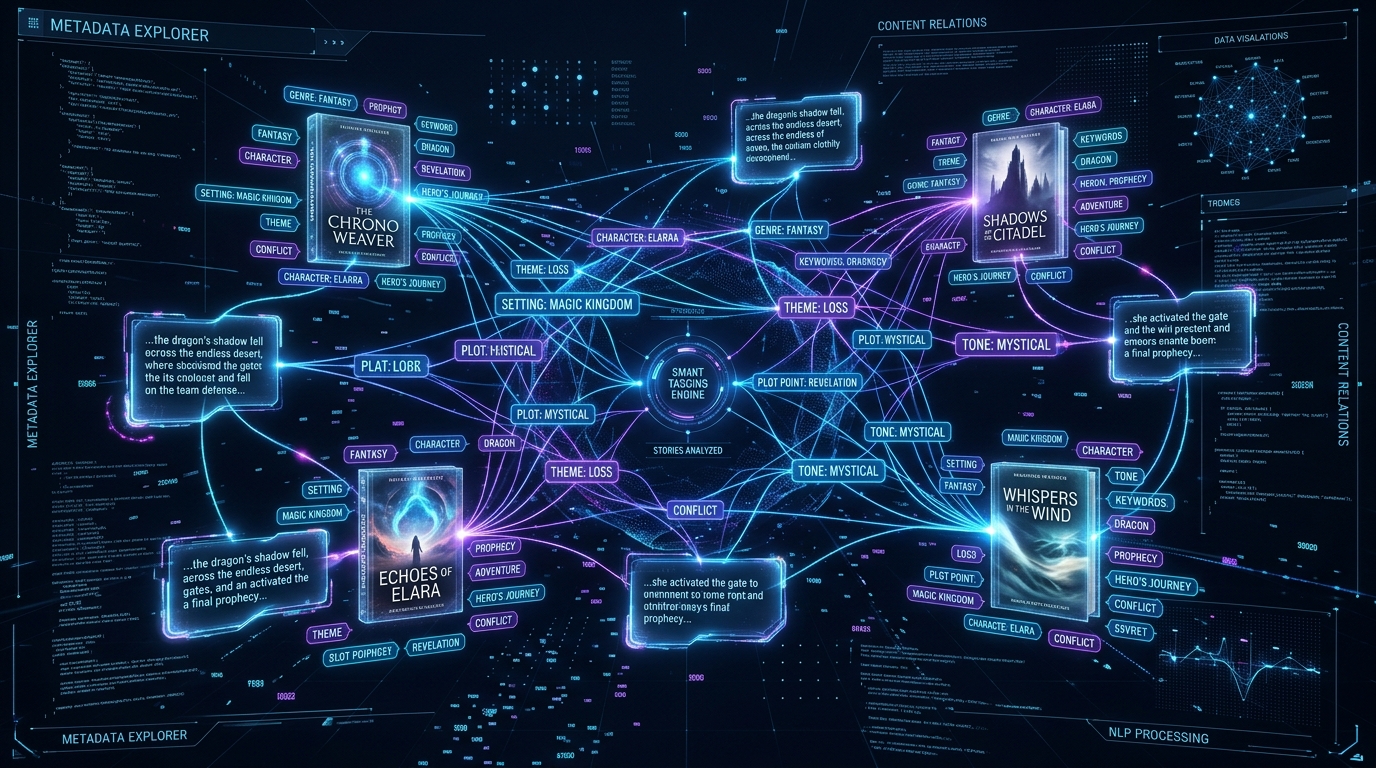
Literotica Tags represent an example of how modern tagging technology enhances the organization and discoverability of digital content across online platforms. In today’s data-driven internet ecosystem, metadata plays a critical role in helping users quickly locate information that matches their interests. By assigning descriptive keywords to articles, stories, or multimedia content, advanced tagging systems improve search accuracy, recommendation algorithms, and overall user experience. As digital libraries continue expanding, intelligent tag management has become an essential component of content indexing and information retrieval.
Understanding Literotica Tags Technology
Literotica Tags function as metadata identifiers that classify digital content into meaningful categories. Similar to tags used on blogs, streaming platforms, and knowledge-sharing websites, these labels help search engines and internal recommendation systems organize large collections of information efficiently. The technology behind content tagging combines database indexing, keyword association, and taxonomy management to create structured navigation systems.
The Role of Metadata in Modern Platforms
Metadata has become one of the most valuable assets in digital information management. Tags provide contextual information that allows algorithms to identify relationships between different pieces of content. This technology enables recommendation engines to deliver personalized results while improving user engagement and reducing search time.
Artificial Intelligence and Smart Tagging
Recent developments in artificial intelligence have transformed traditional tagging systems into intelligent classification engines. Machine learning models can analyze text, images, and user behavior to automatically generate relevant tags with high accuracy. These AI-powered solutions reduce manual effort while improving consistency across massive digital content libraries.
Search Engine Optimization and Content Tags
Content tags contribute significantly to search engine optimization by improving indexing and keyword relevance. Proper tagging structures help search algorithms understand page topics, increasing the likelihood that users will discover relevant content through search queries. Modern websites increasingly rely on structured metadata to strengthen visibility and improve organic traffic performance.
Digital Organization Through Tag Architecture
Large digital platforms require scalable organizational systems capable of handling millions of content entries. Tag architecture creates interconnected relationships between categories, making navigation more intuitive for users while supporting advanced filtering capabilities. This structured approach enhances content accessibility and improves platform usability.
Future of Intelligent Tagging Systems
The future of content categorization will likely include semantic analysis, natural language processing, and predictive tagging powered by artificial intelligence. These technologies will further automate metadata generation while creating highly personalized discovery experiences across digital ecosystems. As online content continues to expand, intelligent tagging systems similar to Literotica Tags demonstrate the growing importance of metadata in shaping the future of information management.
| Technology Area | Function |
|---|---|
| Metadata | Describes digital content |
| AI Classification | Generates automatic tags |
| Search Indexing | Improves discoverability |
| Recommendation Engine | Suggests related content |
| Content Management | Organizes large databases |
| SEO Optimization | Enhances search visibility |
Conclusion
Literotica Tags illustrate how metadata technology supports efficient content organization, intelligent search functionality, and personalized digital experiences. By combining structured classification with modern AI techniques, tagging systems have evolved into essential components of today’s content management infrastructure. As digital platforms continue growing, smart tagging technology will remain a key driver of improved accessibility, recommendation quality, and user engagement across the internet