
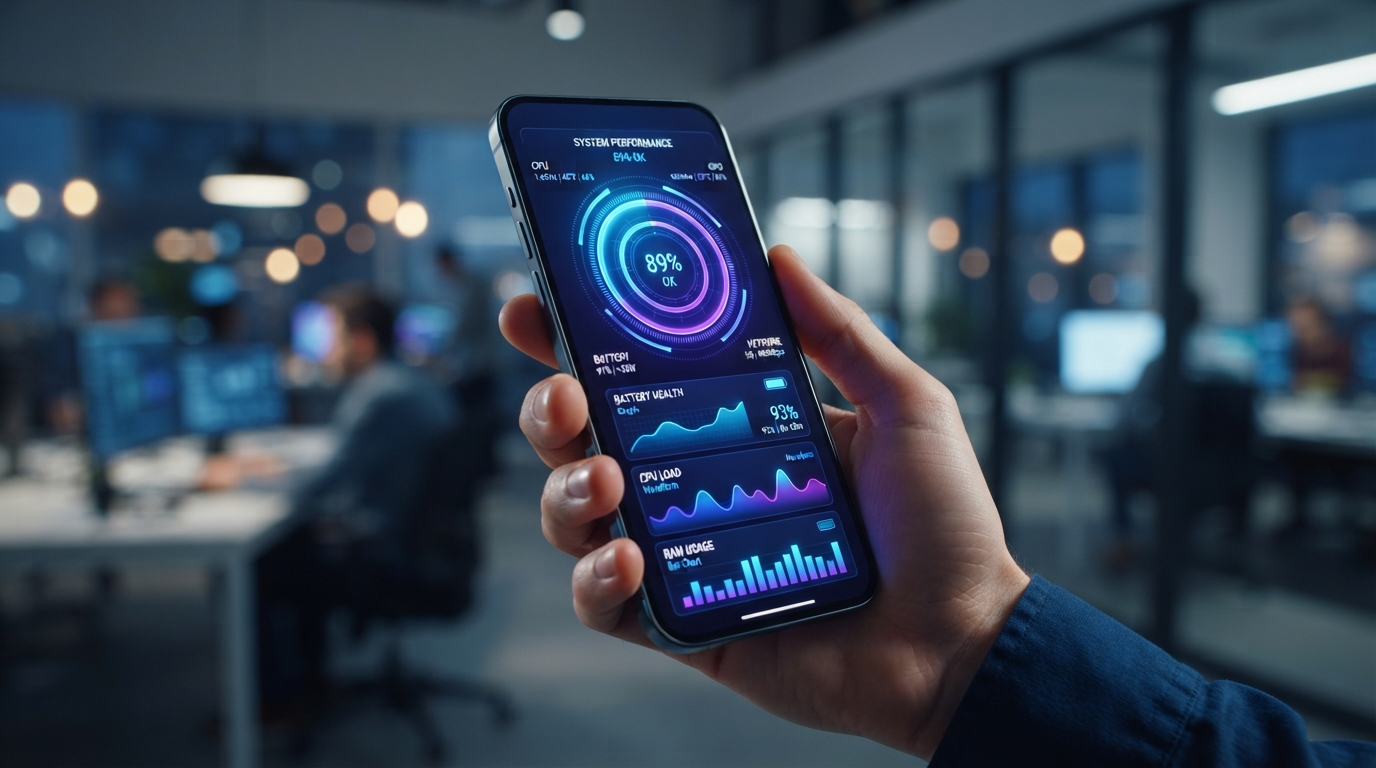
Smartphones have become essential tools for communication, productivity, entertainment, and business. As mobile technology continues to evolve, users expect devices to deliver faster processing, smoother multitasking, longer battery life, and reliable connectivity. Performance cdiphone represents the concept of achieving consistent and efficient mobile operation through optimized hardware, software, and system resources. Whether used for everyday communication, professional tasks, gaming, or multimedia creation, maintaining excellent performance ensures a seamless user experience. Understanding the factors that influence smartphone efficiency helps consumers make informed decisions while allowing developers and manufacturers to create more responsive mobile devices.
Understanding Performance Cdiphone
The term performance cdiphone refers to the overall operational capability of a smartphone, including processing speed, application responsiveness, memory management, battery efficiency, graphics performance, and network reliability. Rather than focusing on a single hardware component, it represents how every element of the device works together to provide a smooth and stable experience.
Modern smartphones combine advanced processors, intelligent operating systems, high-speed storage, and optimized applications. When these components operate efficiently, users experience quicker app launches, responsive touch interactions, improved gaming performance, and reduced system lag.
As smartphones continue replacing traditional computers for many daily tasks, maintaining strong performance has become increasingly important for personal and professional productivity.
The Importance of Performance Cdiphone in Everyday Use
Every smartphone user expects reliable performance regardless of whether they are browsing the internet, attending virtual meetings, editing documents, or streaming videos. Slow devices can interrupt workflows, increase frustration, and reduce productivity.
Consistent performance enables applications to operate smoothly while minimizing loading times. Fast response speeds improve user satisfaction and encourage longer device lifespans because optimized systems remain useful for several years.
Efficient smartphones also consume fewer system resources during routine activities, contributing to improved battery life and reduced heat generation.
Organizations that provide mobile applications also benefit because optimized devices enhance customer engagement and improve application reliability.
Key Components That Influence Performance Cdiphone
Several hardware and software components determine how efficiently a smartphone operates.
| Component | Function | Performance Benefit |
|---|---|---|
| Processor | Executes instructions | Faster computing |
| RAM | Supports multitasking | Smooth application switching |
| Storage | Saves operating system and files | Faster loading speeds |
| Graphics Processor | Renders images and games | Better visual performance |
| Battery | Supplies power | Longer operating time |
| Operating System | Manages hardware resources | Stable performance |
Each component contributes differently, but together they determine the overall user experience.
Processor Performance in Performance Cdiphone
The processor serves as the central computing unit responsible for executing millions of instructions every second. Modern mobile processors include multiple cores designed to balance power efficiency and computational performance.
Efficient processors reduce application loading times while supporting complex activities such as video editing, gaming, artificial intelligence processing, and augmented reality experiences.
Manufacturers continually improve processor architecture by increasing efficiency rather than simply raising clock speeds. Smaller manufacturing processes allow processors to deliver better performance while consuming less energy.
Intelligent workload distribution further improves efficiency by assigning lightweight tasks to energy-saving cores and demanding tasks to high-performance cores.
Memory Management and Performance Cdiphone
Random Access Memory plays a vital role in determining how many applications can remain active simultaneously. Insufficient memory forces smartphones to close background applications, increasing loading times when users switch between tasks.
Effective memory management balances active processes without consuming unnecessary resources. Modern operating systems intelligently prioritize important applications while limiting background activities that could reduce performance.
Memory optimization also helps prevent slowdowns caused by excessive application caching or poorly optimized software.
As application complexity continues increasing, larger memory capacities provide smoother multitasking experiences.
Storage Speed and Mobile Responsiveness
Storage technology significantly influences smartphone responsiveness. Faster storage enables applications to launch quickly while reducing operating system startup times.
Modern smartphones increasingly utilize high-speed storage solutions capable of transferring large amounts of data with minimal latency. Improved storage technology benefits file transfers, software updates, multimedia editing, and gaming performance.
Storage optimization also includes managing unused files, temporary data, and application caches. Regular maintenance helps maintain consistent responsiveness throughout the device’s lifespan.
Users who frequently record high-resolution videos or install numerous applications particularly benefit from faster storage performance.
Graphics Performance and Visual Experience
Graphics processing has become increasingly important as smartphones support advanced games, video editing, augmented reality, and high-resolution displays.
Dedicated graphics processors handle image rendering independently from the main processor, allowing smoother animations and higher frame rates.
Game developers optimize their software to utilize modern graphics hardware efficiently, providing realistic lighting effects, improved textures, and enhanced visual quality without excessive battery consumption.
Graphics optimization also improves user interface responsiveness by delivering smoother scrolling, animations, and transitions.
| Graphics Feature | Performance Impact | User Benefit |
|---|---|---|
| High Frame Rate | Smoother visuals | Better gaming experience |
| GPU Acceleration | Faster rendering | Improved responsiveness |
| Display Optimization | Balanced refresh rate | Efficient battery usage |
| Video Processing | Smooth playback | Enhanced multimedia experience |
| Image Rendering | Better graphics quality | Clearer visual output |
Battery Efficiency in Performance Cdiphone
Battery performance extends beyond capacity alone. Efficient power management enables smartphones to deliver consistent performance throughout the day without unnecessary energy consumption.
Modern operating systems monitor application activity, processor usage, screen brightness, and network connectivity to optimize battery utilization.
Adaptive battery technologies learn user behavior and allocate resources accordingly, ensuring frequently used applications remain responsive while background activities consume minimal power.
Efficient charging technologies also reduce downtime, allowing users to restore battery capacity quickly without compromising long-term battery health.
Software Optimization and System Stability
Software optimization is equally important as hardware capability. Even powerful smartphones may experience slow performance if the operating system or installed applications are poorly optimized.
Developers continuously improve software through updates that enhance security, reduce resource consumption, and improve compatibility with newer hardware.
Efficient operating systems coordinate communication between hardware components while minimizing unnecessary background processes. This coordination results in smoother multitasking, faster application launches, and more reliable system stability.
Regular software updates also address performance issues discovered after device release, ensuring smartphones remain responsive throughout their supported lifespan
Gaming Performance in Performance Cdiphone
Mobile gaming has evolved into one of the most demanding uses of smartphone hardware. Modern games feature realistic graphics, complex physics, online multiplayer functionality, and high refresh rate support, all of which require considerable processing power. A well-optimized performance cdiphone environment ensures that games run smoothly without frequent frame drops or overheating.
Game optimization depends on the coordination between the processor, graphics unit, memory, and storage. High refresh rate displays further enhance responsiveness by making animations appear smoother and touch interactions more accurate. Software optimization also plays an important role by allocating resources dynamically based on the requirements of the game.
Gaming performance testing often includes measuring frame rates, loading times, temperature stability, and battery consumption. These metrics help manufacturers and developers improve both hardware efficiency and software compatibility.
Artificial Intelligence and Performance Cdiphone
Artificial intelligence has become an integral part of modern smartphones. AI technologies improve photography, voice recognition, battery management, language translation, and application recommendations without requiring constant user input.
Machine learning algorithms analyze user behavior to predict frequently used applications and optimize resource allocation. Instead of treating every task equally, AI prioritizes activities that contribute most to the user experience.
Image processing has particularly benefited from AI. Smartphones can automatically enhance photographs by recognizing scenes, adjusting lighting, reducing image noise, and improving color accuracy. Voice assistants also rely on AI to understand natural language and provide faster responses.
As mobile processors become more advanced, dedicated AI engines continue improving real-time performance while minimizing energy consumption.
Network Connectivity and Performance Cdiphone
Reliable connectivity is essential for smartphones used in communication, streaming, cloud storage, and online collaboration. A strong performance cdiphone strategy considers not only internal hardware but also network performance.
Modern smartphones support multiple wireless technologies, allowing users to switch seamlessly between mobile networks and Wi-Fi connections. Efficient network management minimizes latency, improves download speeds, and maintains stable connections even during heavy network traffic.
Applications increasingly rely on cloud services, making low-latency communication essential for file synchronization, online gaming, and video conferencing. Optimized network protocols reduce delays while improving data transmission efficiency.
Strong connectivity also contributes to better battery life because devices spend less time searching for stable network signals.
| Network Feature | Performance Purpose | User Advantage |
|---|---|---|
| High-Speed Data | Faster downloads | Quick access to content |
| Wi-Fi Optimization | Stable connectivity | Reliable streaming |
| Low Latency | Faster communication | Better online gaming |
| Intelligent Switching | Automatic network selection | Continuous connectivity |
| Efficient Signal Processing | Improved reception | Stronger communication quality |
Camera Processing and Mobile Performance
Smartphone cameras have become powerful imaging systems capable of producing professional-quality photographs and videos. Behind every captured image lies extensive computational processing that depends on efficient hardware and software integration.
Image processors work alongside artificial intelligence to improve exposure, color balance, dynamic range, and detail. High-resolution photography requires rapid processing to save images quickly without interrupting the user experience.
Manufacturers continue improving image processing pipelines to deliver better visual quality while maintaining smooth system performance.
Multitasking Efficiency
Modern smartphone users frequently switch between messaging applications, web browsers, productivity software, navigation tools, and multimedia platforms. Efficient multitasking depends on intelligent resource management.
Operating systems prioritize active applications while limiting unnecessary background activity. This approach preserves memory availability and processor capacity for tasks that require immediate attention.
Resource optimization enables users to perform multiple tasks simultaneously without experiencing noticeable slowdowns.
Security and System Performance
Security features protect user information while maintaining device reliability. Encryption, biometric authentication, secure application management, and operating system protections all consume computing resource.
Modern smartphones integrate dedicated security hardware that performs encryption efficiently without reducing overall responsiveness. This separation allows security operations to occur independently from everyday applications.
Organizations that manage enterprise smartphones particularly value secure performance because employees increasingly access sensitive business information through mobile devices.
Cloud Integration and Performance Cdiphone
Cloud computing has transformed smartphone functionality by allowing users to access documents, photographs, applications, and backups from virtually anywhere.
Cloud synchronization requires efficient communication between local storage and remote servers. Performance optimization minimizes synchronization delays while reducing unnecessary bandwidth consumption.
Cloud integration also simplifies data recovery and device replacement because important information remains securely stored online.
Thermal Management
Heat generation is a natural consequence of intensive processing. However, excessive temperatures reduce processor efficiency and may shorten hardware lifespan.
Software also contributes by adjusting processor frequencies according to temperature conditions. Intelligent thermal management balances maximum performance with long-term hardware reliability.
Users benefit from consistent responsiveness because effective cooling prevents sudden performance reductions caused by overheating.
| Thermal Component | Function | Performance Benefit |
|---|---|---|
| Heat Distribution | Spreads thermal energy | Stable operation |
| Intelligent Cooling | Controls processor temperature | Sustained performance |
| Temperature Monitoring | Detects excessive heat | Hardware protection |
| Dynamic Frequency Control | Adjusts processor speed | Balanced efficiency |
| Efficient Device Design | Improves airflow | Reduced overheating |
Performance Testing and Benchmarking
Performance benchmarking provides measurable insights into smartphone capabilities. Manufacturers, reviewers, and developers evaluate processing speed, graphics rendering, storage performance, battery endurance, and application responsiveness under standardized conditions.
Benchmarking helps identify strengths and areas for improvement while allowing fair comparisons between different smartphone models. Although benchmark scores provide useful information, real-world performance remains equally important because everyday usage patterns vary among individuals.
Continuous testing also enables software developers to verify that application updates maintain compatibility across a wide range of devices. Performance evaluation remains an ongoing process throughout a smartphone’s lifecycle
Future Innovations in Performance Cdiphone
The future of smartphone technology continues to focus on delivering greater performance while improving energy efficiency. Manufacturers are investing in advanced processor architectures, intelligent software optimization, faster storage technologies, and improved connectivity solutions to meet the growing demands of users.
Artificial intelligence will play an even larger role in managing device resources automatically. Instead of relying on fixed performance settings, future smartphones will adapt dynamically to individual usage patterns. Devices may predict which applications users need next and allocate computing resources in advance.
Next-generation wireless technologies will also improve cloud computing, online collaboration, video streaming, and mobile gaming. As network latency decreases and bandwidth increases, smartphones will become even more capable of handling demanding workloads that previously required desktop computers.
Application Development and Performance Cdiphone
Software developers have a significant influence on smartphone performance. Well-designed applications consume fewer system resources while delivering fast and reliable user experiences.
Efficient coding practices reduce unnecessary processor activity, minimize memory usage, and improve battery efficiency. Developers also optimize graphics rendering, network communication, and background processing to ensure applications remain responsive under different operating conditions.
Application developers increasingly integrate artificial intelligence, cloud services, and automation features while maintaining smooth operation through careful resource management.
Device Maintenance for Long-Term Performance
Maintaining consistent smartphone performance requires regular software updates, responsible storage management, and efficient application usage. Over time, unused files, outdated applications, and excessive background processes may reduce system responsiveness.
Users who periodically remove unnecessary files, update installed software, and restart their devices often experience improved stability. Maintaining sufficient free storage space also allows the operating system to perform temporary processing tasks more efficiently.
Battery health contributes significantly to long-term performance. Using certified charging accessories and avoiding prolonged exposure to extreme temperatures helps preserve battery capacity throughout the device’s lifespan.
Routine maintenance extends device usability while reducing the likelihood of unexpected performance issues.
| Maintenance Activity | Purpose | Expected Benefit |
|---|---|---|
| Software Updates | Improve stability | Better performance |
| Storage Cleanup | Free available space | Faster responsiveness |
| Application Updates | Optimize compatibility | Improved efficiency |
| Battery Care | Preserve battery health | Longer operating time |
| Device Restart | Refresh system resources | Stable performance |
Common Challenges Affecting Performance Cdiphone
Despite continuous technological improvements, smartphones still encounter performance challenges. Heavy multitasking, insufficient storage, poorly optimized applications, outdated software, and excessive background processes may reduce overall efficiency.
Network congestion can also affect application responsiveness, particularly for cloud-based services and online gaming. High operating temperatures during workloads may temporarily reduce processor speed to protect internal components.
Understanding these common issues enables users to take preventive measures before performance noticeably declines.
Comparing Key Areas of Performance Cdiphone
| Performance Area | Primary Focus | User Benefit |
|---|---|---|
| Processor Efficiency | Faster computations | Smooth multitasking |
| Memory Management | Resource allocation | Better application switching |
| Graphics Processing | High-quality visuals | Enhanced gaming and media |
| Battery Optimization | Energy conservation | Longer usage time |
| Storage Performance | Quick data access | Faster loading speeds |
| Network Optimization | Stable communication | Reliable online experience |
| Software Optimization | System efficiency | Consistent responsiveness |
| AI Integration | Intelligent automation | Personalized performance |
The combination of these performance areas creates a balanced smartphone experience capable of supporting both personal and professional activities.
Conclusion
The evolution of performance cdiphone reflects the growing expectations users place on modern smartphones. Today’s mobile devices are expected to deliver exceptional speed, reliable connectivity, efficient multitasking, advanced photography, long battery life, and strong security while remaining easy to use. Achieving these capabilities requires seamless cooperation between hardware, software, artificial intelligence, and cloud technologies.
Manufacturers continue introducing innovations that improve processing efficiency, graphics performance, storage speed, and thermal management. At the same time, software developers optimize applications to consume fewer resources while delivering richer user experiences. Regular maintenance, responsible usage habits, and timely software updates further help maintain consistent performance throughout a smartphone’s lifespan.
As mobile technology continues advancing, smartphones will become even more intelligent, efficient, and adaptable. Users who understand the principles behind smartphone optimization will be better equipped to maximize device performance and enjoy a smoother digital experience for years to come.