
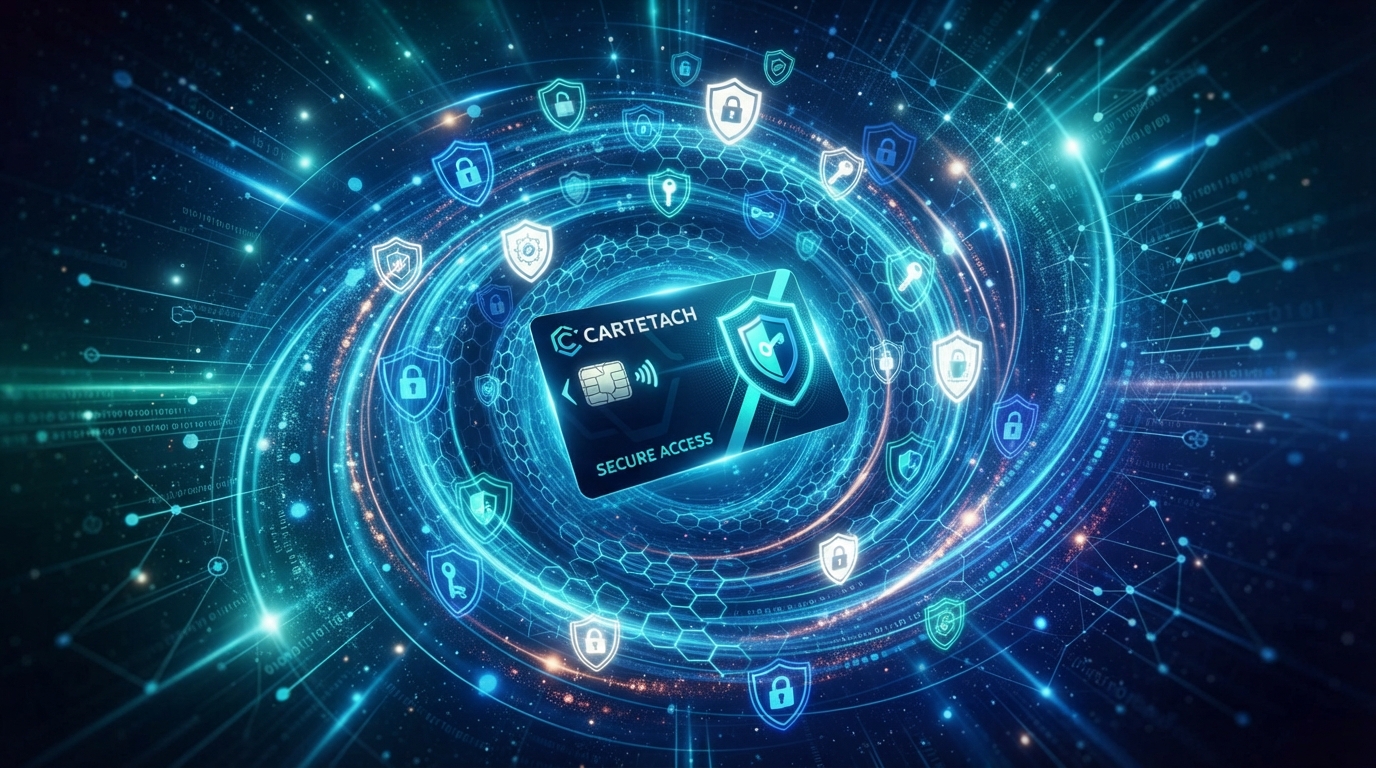
In today’s digital world, secure information management has become a necessity for individuals, businesses, educational institutions, and government organizations. As technology continues to advance, the demand for reliable systems that can safely store and manage personal and professional data continues to increase. cartetach is a digital smart card technology designed to store, manage, and secure user information through advanced digital solutions. By combining convenience, security, and efficiency, it offers a modern approach to handling sensitive data while reducing the risks associated with traditional identification methods.
cartetach technologies have transformed how people access services, verify identities, and perform secure transactions. Instead of carrying multiple physical documents or relying on vulnerable paper-based systems, users can utilize a single smart card solution that stores encrypted information safely. This innovation simplifies daily activities while strengthening data protection against unauthorized access.
As organizations continue embracing digital transformation, smart card technologies have become essential tools for improving operational efficiency. Their ability to integrate with various digital systems makes them suitable for healthcare, education, banking, transportation, corporate environments, and public services. A secure and intelligent platform supports this evolution by providing dependable identity management and secure information storage.
The Vision Behind Smart Card
The primary vision behind cartetach is to create a secure digital environment where user information remains protected while remaining easily accessible to authorized individuals. The technology aims to simplify information management without compromising privacy or security.
Modern organizations require identification systems that support both convenience and protection. Smart card technology addresses these needs by integrating encrypted storage with authentication mechanisms that reduce fraud and unauthorized access. This balanced approach allows institutions to improve efficiency while maintaining trust among users.
Another important objective is adaptability. As digital infrastructures evolve, smart card solutions should remain compatible with new technologies and security standards. Continuous innovation ensures long-term reliability and supports future technological developments.
| Vision Component | Purpose | Benefit |
|---|---|---|
| Secure Data Storage | Protect sensitive information | Enhanced privacy |
| Smart Authentication | Verify user identity | Improved security |
| Easy Accessibility | Quick authorized access | Greater convenience |
| Future Compatibility | Support technological growth | Long-term usability |
Understanding Digital Smart Card Technology
cartetach differ significantly from traditional identification cards. Rather than serving solely as physical identification, they contain embedded technologies capable of securely storing digital information. These cards may include integrated circuits or advanced security features that allow encrypted communication with compatible devices.
Information stored within cartetach can include identity credentials, access permissions, healthcare records, educational details, financial information, or organizational credentials depending on the intended application. Encryption protects this information from unauthorized access while allowing authorized systems to retrieve necessary data quickly.
The growing adoption of digital smart cards reflects increasing awareness of cybersecurity and data privacy. Organizations recognize that secure authentication systems reduce security risks while improving user confidence in digital services.
How Smart Card Enhances Information Security
Data security remains one of the greatest challenges in today’s connected world. Cyber threats, identity theft, and unauthorized access continue affecting individuals and organizations globally. Advanced smart card technologies address these concerns through multiple layers of protection.
Encryption serves as the foundation of secure digital information management. Sensitive data remains encoded, making it extremely difficult for unauthorized users to interpret or manipulate stored information. Authentication protocols further verify user identities before granting access to protected resources.
Multi-layer security significantly reduces the likelihood of fraudulent activities while ensuring legitimate users experience convenient access. This balance between protection and usability contributes to more secure digital ecosystems.
Applications Across Multiple Industries
The flexibility of cartetach technology enables its use across numerous industries. Healthcare providers can securely manage patient records, educational institutions can streamline student identification, businesses can control employee access, and financial organizations can enhance transaction security.
Government agencies also benefit from digital identification systems that improve administrative efficiency while strengthening citizen data protection. Transportation networks utilize smart cards for ticketing and access management, simplifying travel experiences while reducing operational costs.
| Industry | Smart Card Application | Primary Advantage |
|---|---|---|
| Healthcare | Patient identification | Secure medical records |
| Education | Student ID systems | Simplified campus access |
| Banking | Secure authentication | Safer financial transactions |
| Corporate | Employee access control | Improved workplace security |
| Transportation | Digital ticketing | Faster passenger services |
The Growing Importance of Secure Digital Identity
Digital identity has become increasingly valuable as more services move online. Secure identification systems allow individuals to access resources confidently while protecting personal information from misuse. Smart card technologies contribute significantly to this objective by combining authentication, encryption, and efficient information management into a single secure solution.
Organizations that invest in reliable digital identity systems strengthen operational security while improving user experiences. As technology continues evolving, intelligent information management solutions will remain essential components of modern digital infrastructure.
The Evolution of Smart Card in the Digital Era
The rapid growth of digital technology has transformed the way organizations manage information and interact with users. Traditional identification methods that relied on paper documents and magnetic stripe cards are gradually being replaced by more advanced digital solutions. Smart card technology has become an important part of this transformation by offering secure, reliable, and efficient methods for storing sensitive information. As digital ecosystems continue expanding, innovative solutions help organizations improve security while simplifying access to important services.
Modern users expect fast and secure authentication without unnecessary complexity. A digital smart card system addresses this expectation by allowing individuals to verify their identities quickly while ensuring that confidential information remains protected. This balance between convenience and security has made digital smart cards increasingly valuable across multiple sectors.
Technology continues evolving alongside cybersecurity challenges. As organizations adopt cloud computing, artificial intelligence, and digital transformation strategies, secure identity management remains a top priority. Advanced smart card technologies contribute to this goal by providing dependable authentication and encrypted data storage.
Benefits of card for Individuals and Organizations
Individuals benefit from digital cartetach technology because it reduces the need to carry multiple identification documents. A single secure solution can provide access to educational institutions, workplaces, healthcare facilities, financial services, and transportation systems. This convenience simplifies everyday activities while improving overall security.
Organizations also experience significant advantages. Secure authentication minimizes unauthorized access, protects confidential information, and improves operational efficiency. Automated verification systems reduce administrative workload while increasing accuracy and reliability.
Digital cartetach further support compliance with modern data protection standards. By implementing secure identity management systems, organizations demonstrate their commitment to protecting sensitive user information and maintaining trust among customers, employees, and stakeholders.
| Benefit | Individual Advantage | Organizational Advantage |
|---|---|---|
| Secure Authentication | Safer identity verification | Stronger access control |
| Digital Storage | Less dependence on paper documents | Better information management |
| Fast Access | Quicker service delivery | Improved operational efficiency |
| Data Protection | Enhanced privacy | Regulatory compliance |
Security Technologies Behind Smart Cards
Security remains the foundation of every successful digital identification system. Modern smart card technologies combine several protective mechanisms to safeguard user information against unauthorized access and cyber threats.
Encryption converts sensitive data into coded information that can only be interpreted by authorized systems. Authentication protocols verify user identities before granting access to digital resources, while secure communication channels protect information during data exchange.
Many digital cartetach solutions also support multi-factor authentication, adding another layer of protection by requiring multiple verification methods. These combined security measures significantly reduce the risk of identity theft, fraud, and unauthorized system access.
Regular security updates further strengthen protection by addressing newly discovered vulnerabilities and adapting to evolving cybersecurity challenges. Continuous improvement ensures that smart card technologies remain reliable in an increasingly complex digital environment.
Digital Transformation Through Secure Identity Management
Organizations across the world continue investing in digital transformation initiatives that improve efficiency and enhance customer experiences. Secure identity management serves as one of the most important components of this transformation because digital services depend upon reliable authentication.
Educational institutions use secure digital identification to manage student records and campus access. Healthcare providers protect confidential patient information through secure authentication systems. Financial institutions strengthen transaction security, while corporate organizations improve employee access management and internal security.
The integration of digital cartetach technology into these environments supports automation, reduces paperwork, and improves service delivery. Users benefit from faster access, while organizations gain greater control over sensitive information.
Future Innovations in Smart Card Technology
Emerging technologies continue expanding the capabilities of digital smart cards. Artificial intelligence, cloud computing, biometric authentication, and blockchain technology have the potential to further strengthen identity management systems while improving convenience for users.
Biometric verification may complement smart cards by combining fingerprint recognition, facial authentication, or iris scanning with encrypted digital credentials. Cloud integration can simplify secure information management across multiple devices without compromising privacy.
Blockchain technology may further improve transparency and data integrity by creating secure digital records that resist unauthorized modification. Together, these innovations represent the next generation of intelligent identity management solutions.
| Emerging Technology | Potential Application | Expected Benefit |
|---|---|---|
| Artificial Intelligence | Smart authentication | Improved security decisions |
| Biometrics | Identity verification | Greater authentication accuracy |
| Cloud Computing | Secure information access | Flexible digital management |
| Blockchain | Protected digital records | Enhanced data integrity |
Strengthening Trust Through Reliable Technology
Trust remains one of the most valuable assets in today’s digital economy. Users expect organizations to protect personal information while providing convenient digital experiences. Reliable smart card technologies help achieve this balance by combining advanced security with practical usability.
When users trust digital systems, they are more willing to adopt online services, participate in digital transactions, and embrace technological innovation. Secure identity management therefore contributes not only to cybersecurity but also to long-term digital growth and user confidence.
This platform and the Future of Secure Digital Identity
As technology continues to evolve, digital identity is becoming increasingly important in nearly every aspect of modern life. People use digital credentials to access banking services, educational platforms, healthcare systems, government portals, and corporate networks. Managing these identities securely requires advanced technology that protects sensitive information while ensuring fast and reliable access.
A smart card solution plays a vital role in this environment by offering encrypted storage and secure authentication. Instead of depending on multiple usernames, passwords, or physical documents, users can rely on one secure identity system that simplifies digital interactions while maintaining strong protection.
The future of digital identity will likely focus on interoperability, allowing one secure credential to function across multiple services and platforms. Such integration improves convenience while reducing administrative complexity for organizations and individuals alike.
Improving Operational Efficiency
Efficiency is one of the greatest advantages of digital smart card technology. Manual verification processes often require significant time and administrative effort. Smart card systems automate many of these tasks, allowing organizations to verify identities almost instantly.
Automation reduces paperwork, minimizes human error, and accelerates routine processes. Employees spend less time handling identification procedures, allowing them to focus on higher-value responsibilities. Customers and users also enjoy faster service, creating a more positive overall experience.
Organizations that implement secure digital identification systems often experience improved workflow management and greater operational consistency. Efficient authentication also contributes to stronger cybersecurity by reducing dependence on outdated manual processes.
| Operational Area | Traditional Method | Smart Card Solution |
|---|---|---|
| Identity Verification | Manual document checks | Instant digital authentication |
| Data Management | Paper records | Secure digital storage |
| Access Control | Physical keys and badges | Smart digital authorization |
| Administrative Work | Time-consuming processing | Automated verification |
Protecting Privacy in the Digital Age
Privacy has become one of the most important concerns for both individuals and organizations. As more personal information is stored digitally, users expect organizations to implement responsible security measures that prevent unauthorized access and misuse.
Digital smart card technology supports privacy by limiting access to authorized individuals and protecting stored information through encryption. Sensitive data remains secure throughout storage and transmission, reducing opportunities for cybercriminals to intercept confidential information.
Privacy protection also strengthens public confidence in digital services. When users believe their information is secure, they are more likely to adopt digital solutions and participate in online transactions without hesitation.
Compliance with modern privacy regulations further encourages organizations to invest in secure identity management systems. Responsible data handling supports both legal requirements and ethical business practices.
Integration with Emerging Technologies
One of the strengths of modern digital systems is their ability to integrate with other advanced technologies. Smart card platforms can work alongside cloud computing, mobile applications, artificial intelligence, and biometric authentication to create comprehensive identity management ecosystems.
Mobile compatibility allows users to access digital services through smartphones and tablets while maintaining secure authentication. Artificial intelligence enhances threat detection by identifying unusual login behavior and responding to potential security risks in real time.
Biometric verification adds another level of confidence by confirming physical identity through fingerprints, facial recognition, or iris scanning. Combined with encrypted smart card credentials, these technologies create highly secure authentication environments suitable for sensitive applications.
Building a Smarter Digital Society
Digital transformation extends beyond individual organizations. Entire communities benefit when secure technology improves access to education, healthcare, transportation, financial services, and public administration. Efficient identity management enables faster service delivery while protecting personal information.
Smart cities increasingly depend on secure digital infrastructures to manage transportation systems, public facilities, healthcare networks, and government services. Reliable authentication solutions contribute to these developments by ensuring that authorized users can access services safely and efficiently.
Educational institutions also benefit by simplifying student enrollment, attendance tracking, library access, and campus security. Healthcare providers improve patient care through secure medical record management, while businesses strengthen workplace security using advanced employee authentication systems.
| Sector | Digital Smart Card Application | Primary Benefit |
|---|---|---|
| Government | Citizen identification | Secure public services |
| Education | Student management | Efficient campus operations |
| Healthcare | Medical record access | Better patient security |
| Business | Employee authentication | Stronger organizational protection |
Looking Toward the Future
The future of secure information management depends on technologies that combine innovation, reliability, and user convenience. cartetach solutions continue evolving to meet changing security requirements while supporting expanding digital ecosystems.
As artificial intelligence, cloud computing, and biometric technologies become more advanced, identity management systems will become even more intelligent and secure. Organizations that embrace these innovations will be better prepared to protect sensitive information while delivering efficient digital experiences.
A secure digital future requires continuous improvement, responsible innovation, and a commitment to protecting user privacy. Smart card technologies provide a strong foundation for achieving these goals and supporting long-term digital transformation.
Conclusion
The continued growth of digital services has made secure information management more important than ever before. cartetach represents a modern approach to digital smart card technology by providing secure, efficient, and reliable methods for storing, managing, and protecting user information across multiple industries.
Its ability to combine advanced encryption, secure authentication, and flexible integration makes it a valuable solution for organizations seeking to strengthen cybersecurity while improving operational efficiency. From healthcare and education to banking, transportation, government services, and corporate environments, smart card technology supports safer digital interactions and better information management.
As technology continues evolving, the demand for trusted digital identity solutions will only increase. Organizations that invest in secure authentication systems today will be better prepared for tomorrow’s digital challenges while providing users with convenient, dependable, and privacy-focused services.