
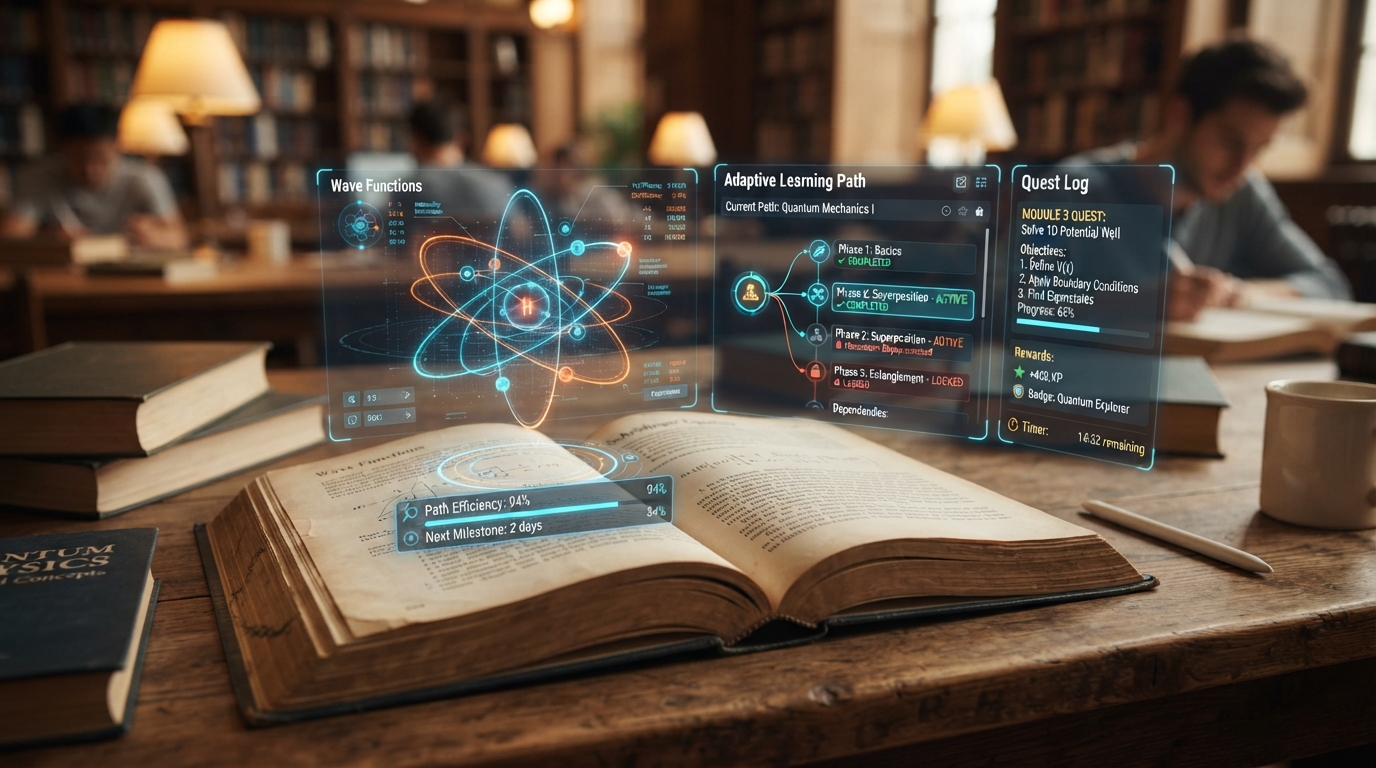
Education has experienced remarkable transformation over the past two decades as digital innovation continues to reshape classrooms, universities, and professional training environments. Instructional Technology Services play an essential role in helping educational institutions integrate technology into teaching, learning, and administrative processes. Rather than replacing educators, these services provide the tools, expertise, and digital infrastructure necessary to create engaging, interactive, and efficient learning experiences. From virtual classrooms and learning management systems to multimedia content development and online assessments, technology has become a cornerstone of modern education. Institutions increasingly rely on technology specialists to support faculty members, improve student engagement, and ensure educational resources remain accessible across various digital platforms.
| Key Information | Description |
|---|---|
| Primary Focus | Educational technology integration |
| Main Users | Schools, colleges, universities, and organizations |
| Purpose | Improve teaching and learning experiences |
| Core Technologies | Learning management systems, cloud computing, multimedia tools |
| Long-Term Goal | Sustainable digital education |
Understanding Instructional Technology Services
Modern educational institutions require more than computers and internet access to achieve successful digital learning. They need comprehensive support that combines educational expertise with technical knowledge. Instructional Technology Services encompass planning, implementation, maintenance, and continuous improvement of digital learning environments that support students and educators alike.
These services assist instructors in designing technology-enhanced lessons, developing online courses, integrating educational software, and adopting innovative teaching strategies. By providing training, technical assistance, and instructional design support, educational institutions ensure that technology contributes meaningfully to student success rather than becoming an unnecessary complication.
Digital transformation in education also promotes flexibility. Students can participate in courses regardless of their location, while educators gain access to interactive resources that encourage collaboration, creativity, and critical thinking.
| Educational Component | Technology Contribution |
|---|---|
| Course Development | Digital instructional design |
| Student Learning | Interactive educational resources |
| Faculty Support | Professional technology training |
| Communication | Online collaboration platforms |
| Assessment | Digital testing and feedback systems |
The Evolution of Digital Learning Technologies
Educational technology has progressed significantly from traditional computer laboratories to fully integrated digital ecosystems. Earlier classrooms relied primarily on textbooks and face-to-face lectures, while today’s learning environments incorporate video conferencing, cloud collaboration, virtual laboratories, artificial intelligence, and multimedia learning resources.
The growth of internet accessibility has enabled institutions to offer flexible learning opportunities that accommodate different schedules and learning preferences. Hybrid education combines classroom instruction with digital resources, while fully online programs provide access to education for learners around the world.
Cloud computing has further transformed education by enabling secure storage, resource sharing, and collaboration between instructors and students. Learning materials remain available at any time, allowing learners to review lectures, complete assignments, and communicate with instructors outside traditional classroom hours.
Core Components of Instructional Technology Services
Successful educational technology initiatives depend on several interconnected components working together efficiently. Instructional design forms the foundation by ensuring that technology supports learning objectives rather than distracting from them. Course developers carefully organize content, assessments, and multimedia resources to create engaging educational experiences.
Learning management systems provide centralized platforms where instructors distribute course materials, manage assignments, monitor student progress, and communicate effectively with learners. Multimedia production enhances lessons through educational videos, interactive presentations, animations, and digital simulations that simplify complex concepts.
Technical support remains equally important because reliable systems encourage confidence among educators and students. Continuous maintenance, software updates, cybersecurity measures, and troubleshooting services ensure uninterrupted learning throughout academic programs.
| Core Service | Educational Benefit |
|---|---|
| Instructional Design | Improved learning outcomes |
| Learning Management Systems | Centralized course management |
| Multimedia Development | Enhanced student engagement |
| Technical Support | Reliable digital learning |
| Faculty Training | Better technology integration |
Technology Integration in Modern Classrooms
Modern classrooms increasingly combine traditional teaching methods with innovative digital technologies to create more engaging educational experiences. Interactive displays, online collaboration tools, virtual simulations, educational software, and cloud-based resources enable instructors to present information in multiple formats that accommodate different learning styles.
Effective technology integration requires thoughtful planning and ongoing evaluation. Educators must select tools that align with curriculum objectives while remaining accessible to diverse student populations. Institutions therefore invest in professional development programs that help instructors build confidence in using educational technologies effectively.
Rather than viewing technology as an isolated resource, successful schools integrate digital tools into everyday teaching practices. This balanced approach improves collaboration, encourages active participation, and prepares students with the digital skills required for future academic and professional success.
Instructional Technology Services in Higher Education
Higher education institutions increasingly depend on Instructional Technology Services to support academic excellence, improve operational efficiency, and expand access to quality education. Universities and colleges now offer flexible learning environments that combine traditional classroom instruction with digital resources, enabling students to study from virtually any location. These services assist faculty members in designing engaging online courses, integrating multimedia content, and implementing effective assessment methods that enhance learning outcomes.
Digital learning environments also promote collaboration among students through discussion forums, shared workspaces, virtual classrooms, and cloud-based document management systems. These technologies encourage communication beyond classroom walls, allowing learners to exchange ideas, complete group projects, and participate in interactive educational experiences. As enrollment in online and hybrid programs continues to grow, educational institutions recognize the importance of maintaining reliable technology infrastructure capable of supporting thousands of users simultaneously.
| Higher Education Technology | Institutional Benefit |
|---|---|
| Virtual Classrooms | Flexible learning opportunities |
| Digital Libraries | Easy access to academic resources |
| Online Assessments | Faster evaluation processes |
| Cloud Collaboration | Improved teamwork and communication |
| Student Portals | Centralized academic services |
Instructional Technology Services and Faculty Development
Technology adoption becomes successful only when educators possess the knowledge and confidence to use digital tools effectively. Faculty development programs therefore represent an essential component of modern educational technology initiatives. Professional training enables instructors to integrate learning management systems, multimedia resources, virtual collaboration tools, and online assessment platforms into their teaching strategies.
Workshops, webinars, mentoring programs, and technology consultations provide continuous learning opportunities for educators. These initiatives introduce new instructional methods while helping faculty members remain informed about emerging educational technologies. As digital learning evolves, instructors benefit from ongoing support that allows them to adapt their teaching approaches according to changing educational requirements.
Faculty development also encourages innovation by creating opportunities for educators to experiment with interactive learning activities, digital simulations, and collaborative teaching methods. Institutions that invest in professional growth often experience stronger student engagement because instructors become more confident in delivering technology-enhanced instruction.
Digital Content Creation for Educational Excellence
Educational content has expanded beyond printed textbooks to include videos, animations, podcasts, interactive presentations, simulations, and virtual laboratories. High-quality digital resources improve understanding by presenting information through multiple formats that accommodate different learning preferences. Instructional designers and multimedia specialists collaborate with educators to produce engaging learning materials that support curriculum objectives.
Interactive content allows students to participate actively in the learning process rather than simply receiving information. Educational videos explain complex concepts visually, while simulations provide realistic learning experiences without requiring expensive physical equipment. Digital assessments further strengthen learning by providing immediate feedback that helps students identify areas requiring improvement.
Accessibility remains an important consideration during content development. Educational materials should accommodate learners with different abilities by including captions, screen-reader compatibility, adjustable text sizes, and responsive design features that function across various devices.
| Digital Resource | Educational Purpose |
|---|---|
| Educational Videos | Visual explanation of concepts |
| Interactive Simulations | Practical learning experiences |
| Podcasts | Flexible audio learning |
| Digital Presentations | Enhanced classroom instruction |
| Online Quizzes | Immediate learning feedback |
Learning Management Systems and Academic Success
Learning Management Systems have become the foundation of digital education by providing centralized environments where instructors organize courses and students access educational resources. These platforms simplify course administration while improving communication between educators and learners. Students can download lecture notes, submit assignments, participate in discussions, and review grades through a single secure interface.
Institutions benefit from centralized management because administrators can monitor academic performance, generate reports, and evaluate course effectiveness. Learning analytics help educators identify students who may require additional support while measuring engagement throughout academic programs.
Modern learning management systems also integrate with external educational tools, video conferencing platforms, digital libraries, plagiarism detection software, and cloud storage services. These integrations create comprehensive digital ecosystems that improve efficiency while reducing administrative complexity.
Accessibility and Inclusive Learning Through Technology
Inclusive education requires learning environments that accommodate students with diverse backgrounds, abilities, and learning preferences. Technology plays a significant role in removing barriers by providing accessible educational resources that support equal participation.
Screen-reading software assists visually impaired students, while captioned videos improve accessibility for learners with hearing impairments. Adjustable text sizes, multilingual resources, keyboard navigation, and voice recognition technologies further expand educational opportunities for diverse student populations.
Educational institutions continue investing in inclusive digital solutions because accessibility not only satisfies legal and ethical responsibilities but also improves overall learning experiences. When educational resources remain available to every learner regardless of individual circumstances, institutions create stronger academic communities that encourage participation, collaboration, and long-term success.
Artificial Intelligence and Instructional Technology Services
Artificial intelligence is transforming education by making learning more personalized, efficient, and responsive. Instructional Technology Services increasingly incorporate artificial intelligence to improve course delivery, automate administrative tasks, and provide valuable insights into student performance. Intelligent systems analyze learning patterns, recommend personalized resources, and help educators identify students who may require additional academic support.
Adaptive learning technologies adjust educational content according to individual progress, allowing students to learn at their own pace. Chatbots and virtual assistants provide immediate answers to common academic questions, reducing response times while supporting students outside regular classroom hours.
The integration of intelligent technologies enables institutions to make informed decisions based on data rather than assumptions. As artificial intelligence continues evolving, educational organizations will benefit from increasingly sophisticated tools that strengthen both teaching effectiveness and student achievement.
| AI Application | Educational Benefit |
|---|---|
| Adaptive Learning | Personalized instruction |
| Virtual Assistants | Instant student support |
| Learning Analytics | Data-driven improvements |
| Automated Grading | Faster assessment |
| Predictive Analysis | Early academic intervention |
Cloud Computing and Instructional Technology Services
Cloud computing has revolutionized educational technology by providing secure, scalable, and cost-effective digital infrastructure. Educational institutions use cloud-based platforms to store learning materials, manage academic records, facilitate collaboration, and ensure uninterrupted access to educational resources. Students and instructors can access files, assignments, and communication tools from virtually any internet-connected device.
Educational institutions benefit from flexible storage capacity, simplified software updates, and centralized resource management. These advantages enable schools and universities to focus more on teaching and learning rather than maintaining complex hardware systems.
Remote learning has further highlighted the value of cloud computing. During periods when students cannot attend campus physically, cloud-based services ensure continuity of education by supporting virtual classrooms, collaborative projects, and secure online assessments.
| Cloud Service | Institutional Advantage |
|---|---|
| Cloud Storage | Secure resource management |
| Virtual Classrooms | Distance education support |
| Online Collaboration | Improved teamwork |
| Automatic Backup | Data protection |
| Software Updates | Reduced maintenance costs |
Cybersecurity in Educational Technology
As educational institutions increasingly rely on digital systems, protecting sensitive information becomes a major responsibility. Student records, research data, financial information, and institutional documents require strong cybersecurity measures to prevent unauthorized access and cyber threats.
Comprehensive cybersecurity strategies include data encryption, secure authentication, regular software updates, network monitoring, and employee awareness training. Multi-factor authentication strengthens account security by requiring additional verification before granting system access. Firewalls, antivirus software, and intrusion detection systems further reduce security risks while protecting institutional infrastructure.
Educational organizations also educate students and faculty about responsible online behavior, secure password management, and recognizing phishing attempts. A strong cybersecurity culture ensures that technology remains a safe and reliable resource for teaching, learning, and research.
Measuring Educational Success Through Data Analytics
Data analytics has become an essential component of modern education by helping institutions evaluate teaching effectiveness, monitor student progress, and improve academic decision-making. Digital platforms collect valuable information regarding attendance, assignment completion, assessment performance, and course engagement.
Evidence-based decision-making improves overall educational quality because institutions can continuously refine instructional practices using measurable outcomes. By analyzing learning patterns, educators create more effective teaching approaches that contribute to stronger academic achievement.
| Analytics Area | Educational Outcome |
|---|---|
| Student Performance | Improved academic support |
| Course Evaluation | Enhanced curriculum quality |
| Attendance Analysis | Better engagement monitoring |
| Resource Management | Efficient institutional planning |
| Learning Trends | Continuous educational improvement |
Digital Collaboration in Modern Education
Collaboration has become a defining feature of contemporary education. Digital platforms allow students and educators to communicate, share resources, and complete collaborative projects regardless of geographical location. Video conferencing, shared documents, discussion forums, and project management tools encourage teamwork while developing communication and problem-solving skills.
Collaborative learning environments prepare students for professional workplaces where teamwork and digital communication are essential. Educators also benefit by sharing teaching strategies, instructional materials, and professional knowledge with colleagues across departments and institutions.
As educational technology continues advancing, collaborative digital ecosystems will remain fundamental to creating engaging, inclusive, and innovative learning experiences that support academic excellence and lifelong learning.
Innovation and the Future of Instructional Technology Services
Innovation continues to reshape education by creating new opportunities for teaching, learning, and institutional development. Instructional Technology Services will remain a central element of this transformation because educational institutions increasingly depend on digital solutions to improve academic quality, operational efficiency, and student engagement. As technology evolves, successful institutions will continue integrating modern educational tools while maintaining strong instructional principles and learner-centered approaches.
Technology will also encourage stronger partnerships between educational institutions, industries, and research organizations. Collaborative projects supported by digital platforms will allow students to gain practical experience while developing problem-solving, communication, and technical skills. Such partnerships strengthen educational relevance by connecting classroom learning with professional practice.
| Future Development | Expected Benefit |
|---|---|
| Intelligent Learning Platforms | Personalized education |
| Industry Collaboration | Career-ready graduates |
| Advanced Analytics | Better institutional planning |
| Global Connectivity | Expanded learning opportunities |
| Continuous Innovation | Sustainable academic growth |
Best Practices for Implementing Educational Technology
Successful technology integration requires careful, continuous evaluation, and collaboration among educators, administrators, and technology professionals. Institutions should establish clear educational objectives before selecting digital tools, ensuring that technology enhances learning rather than creating unnecessary complexity.
Student feedback provides valuable insight into the effectiveness of educational technologies. By listening to learners’ experiences, institutions can improve digital services while creating more engaging and accessible educational environments. Continuous assessment ensures that technology investments generate meaningful educational outcomes and long-term value.
| Implementation Strategy | Educational Value |
|---|---|
| Faculty Training | Effective technology adoption |
| Student Feedback | Continuous improvement |
| Infrastructure Planning | Reliable digital services |
| Regular Evaluation | Better educational quality |
| Strategic Investment | Sustainable innovation |
Conclusion
The rapid advancement of digital technology has permanently transformed education, making Instructional Technology Services an essential component of modern teaching . These services support educators by providing instructional design expertise, multimedia development, learning management systems, technical support, cybersecurity, and professional training. Students benefit from flexible learning opportunities, interactive educational resources, personalized instruction, and improved accessibility that contribute to stronger academic outcomes.
Educational institutions also gain significant advantages through centralized administration, data-driven decision-making, enhanced collaboration, and scalable digital infrastructure. Although challenges such as cybersecurity, technology accessibility, infrastructure costs, and faculty development remain important considerations, strategic planning and continuous improvement enable institutions to maximize the value of educational technology investments.
As emerging technologies continue shaping the future of education, institutions that prioritize innovation, accessibility, collaboration, and responsible technology integration will remain well positioned for long-term success. By combining educational excellence with modern digital solutions, schools, colleges, universities, and training organizations can create engaging learning environments that prepare students for an increasingly connected and technology-driven world.